How to Choose the Best Tint Film for Your Vehicle Windows?
When selecting the best tint film for your vehicle windows, it’s essential to gather insights from industry experts. John Masters, a recognized specialist in automotive window tinting, emphasizes, “Choosing the right tint film can enhance both aesthetics and functionality.” His experience sheds light on the often-overlooked factors in this decision-making process.
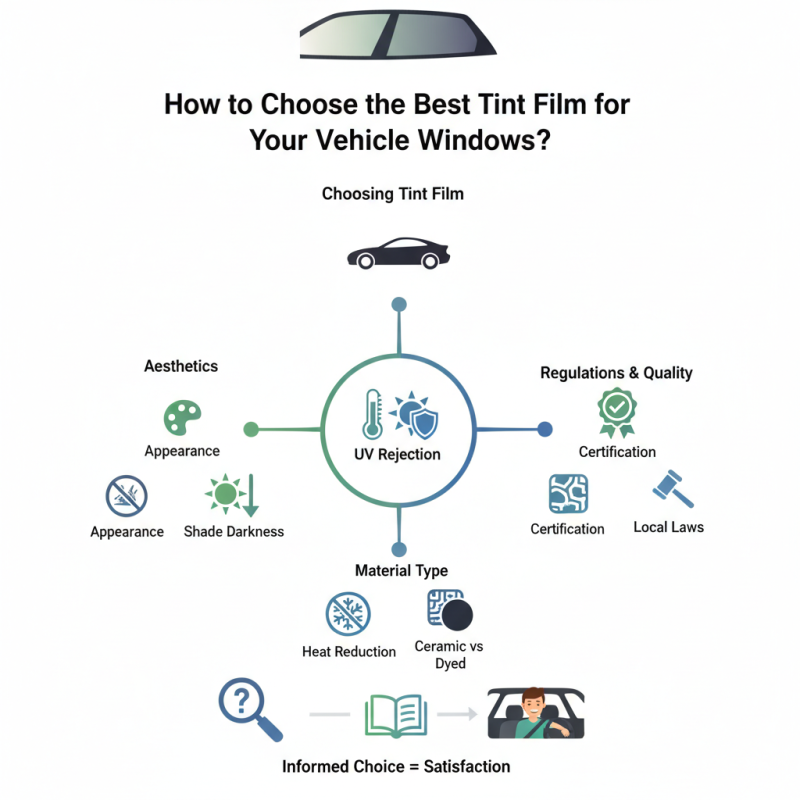
Many vehicle owners focus solely on the appearance of tint films. However, functionality is equally crucial. High-quality tint films can block UV rays and reduce heat inside your vehicle. This is where a knowledgeable choice makes a significant difference. Consider the various types available, such as ceramic or dyed tint films. Each offers distinct benefits and challenges that you must weigh carefully.
Beyond aesthetics and UV protection, certification plays a vital role in selecting the appropriate tint film. Films that comply with local regulations show reliability and authority. Ultimately, a thoughtful selection process is key. Take your time to research and ask the right questions. Choosing an unsuitable film could lead to regrets later.
Understanding Different Types of Window Tint Films for Vehicles
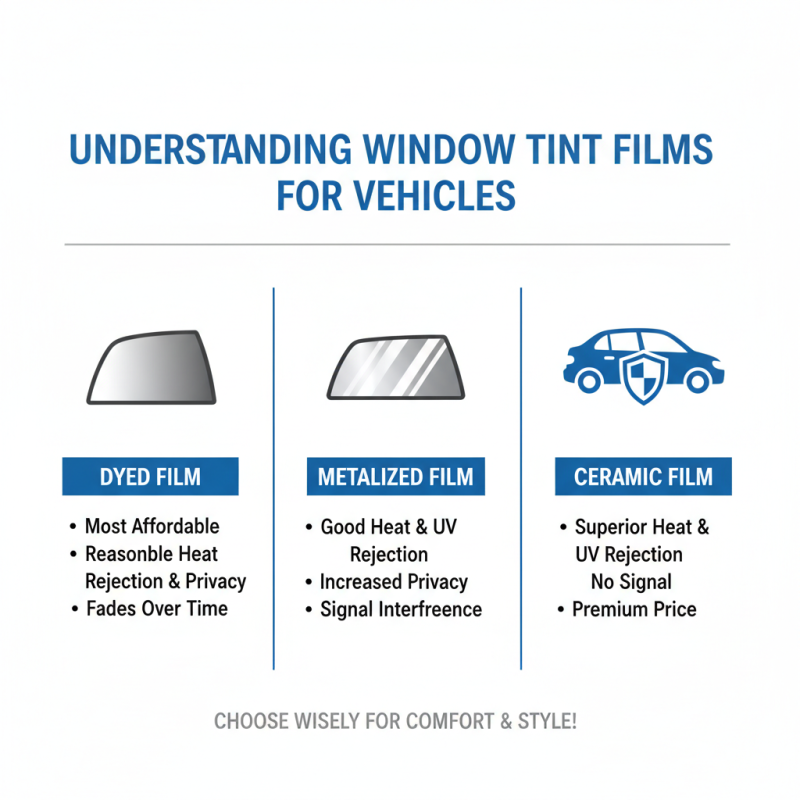
When choosing window tint film for your vehicle, understanding the types available is crucial. There are three primary categories: dyed, metalized, and ceramic films. Dyed films are often the most affordable option. They can provide reasonable heat rejection and privacy. However, they fade over time, resulting in a less attractive look.
Metalized films, on the other hand, incorporate small metallic particles. This technology blocks UV rays and eliminates glare effectively. According to a study by the Window Film Association, metalized films can reject over 60% of solar energy. This can significantly cool your car's interior during hot seasons. Nevertheless, they may interfere with electronic signals, which can be a drawback for some users.
Ceramic films are a newer option gaining popularity. They offer superior heat rejection without metallic components. The lack of metal means they won’t interfere with devices like GPS or cell phones. Research shows that ceramic films can block up to 99% of UV rays. This makes them a great investment for those concerned with skin health. However, they are often priced higher than other types. Selecting the right film involves weighing these benefits against potential limitations.
Factors to Consider When Choosing Window Tint for Your Vehicle
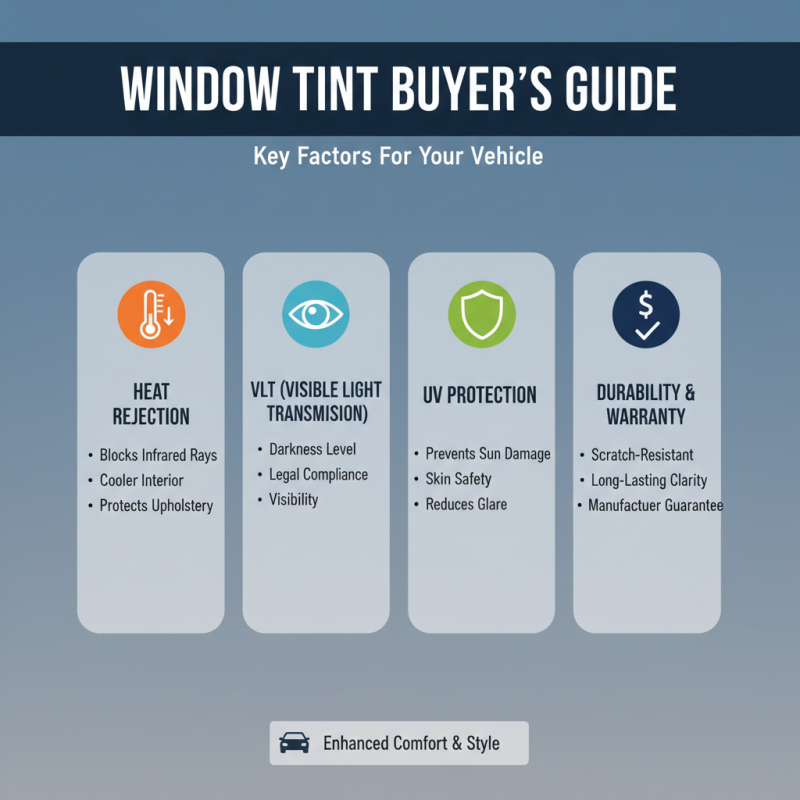
Choosing the right tint film for your vehicle windows involves several factors. One crucial aspect is the level of heat rejection. A good film not only enhances comfort but also protects your interior from sun damage. Look for films that can block a significant percentage of infrared rays. This keeps the car cooler during hot days.
Another factor to consider is the visible light transmission (VLT). Different films allow varying amounts of light to pass through. If you prefer a darker appearance, opt for a lower VLT. However, ensure it complies with local regulations. Some states have strict laws regarding the darkness of window tints, so do your research.
Tips: Test a small area of the tint film on the window first. This helps you gauge how the film looks in different lighting. Also, consider professional installation. A skilled technician ensures that the film is applied correctly, minimizing bubbles or imperfections. Keep in mind, even minor mistakes in installation can lead to issues down the road. Consider your budget as well. Quality films might cost more initially but provide better durability and performance over time.
Legal Regulations and Guidelines for Vehicle Window Tinting
When considering vehicle window tinting, understanding legal regulations is crucial. Different states have varying rules about tint darkness and reflectivity. In a survey by the International Window Film Association, over 35% of drivers were unaware of their state's tint laws. Compliance with these laws is not just important for safety but also to avoid fines.
Most states require the front windshield to allow at least 70% of light in. This is to ensure visibility for drivers and safety for law enforcement. In some states, back windows can be darker. However, completely blacked-out windows may lead to legal issues. A 2021 study revealed that 15% of drivers faced penalties for improper tints. Understanding these regulations can prevent complications.
Consult reliable resources, such as government websites, before making a decision. The American Society of Safety Engineers emphasizes the importance of ensuring personal safety and legal compliance. It's vital to strike a balance between aesthetics and adherence to the law. Each region has its requirements, and not knowing them can lead to unexpected consequences.
Evaluating the Performance Characteristics of Tint Films
Choosing the right tint film for your vehicle windows involves evaluating its performance characteristics. One crucial aspect is the film’s solar heat rejection capability. A high-performance film can significantly reduce cabin heat, making your vehicle more comfortable. This is especially beneficial in warmer climates, where keeping cool is essential. However, not all films perform equally. Some may excel in heat rejection but lack adequate UV protection.
Another important characteristic to consider is the film's visibility. The shading percentage affects how dark your windows will appear. A darker film can enhance privacy, but it may also reduce visibility when driving at night. It’s imperative to find a balance. You want to ensure safety while enjoying the benefits of tinting. The right choice could improve your experience, but overdoing it may cause discomfort and hazards.
Durability is also a metric worth assessing. A quality tint film should resist scratches and fading over time. Quality films tend to come with warranties, indicating the manufacturer’s confidence in their product. However, even the best films can have limitations. Regular maintenance is required to keep them looking their best. It’s a continuous process that requires effort, but the rewards can be significant when done correctly.
How to Choose the Best Tint Film for Your Vehicle Windows? - Evaluating the Performance Characteristics of Tint Films
| Tint Film Type |
Visible Light Transmission (%) |
UV Rejection (%) |
Infrared Rejection (%) |
Warranty (Years) |
| Dyed Film |
5% - 50% |
99% |
30% |
5 |
| Metalized Film |
5% - 70% |
99% |
50% - 70% |
7 |
| Ceramic Film |
5% - 70% |
99% |
70% - 99% |
10 |
| Carbon Film |
5% - 50% |
99% |
50% - 60% |
10 |
Installation Options: DIY vs. Professional Tinting Services
When considering window tinting for your vehicle, you face a choice: DIY or professional installation. Each option has distinct benefits and challenges. Industry studies indicate that nearly 70% of vehicle owners prefer professional services, driven by the expertise and quality assurance they provide. Professionals often have access to superior materials and tools, ensuring a flawless finish that DIY kits may lack.
DIY tinting can be appealing due to lower costs. However, improper installation can lead to bubbles, peeling, or reduced visibility. According to a survey by automotive experts, 30% of DIY attempts result in dissatisfaction. Time and patience are crucial if you choose this route. Many DIY enthusiasts invest hours in preparation and application, only to realize they could have saved time by hiring a pro.
Ultimately, consider the long-term benefits. Professional installations typically come with warranties, safeguarding your investment. A reliable installer can also provide guidance on the best tint film for your specific needs, ensuring you comply with state regulations. Think carefully about your skills, budget, and expectations before making a decision.
Window Tint Film Preference Survey Results