How to Choose the Right Reflective Tint for Your Windows?
Choosing the right reflective tint for your windows can significantly enhance your space. Expert James Thornton, a seasoned professional in window films, emphasizes, "The right tint transforms not just the look, but also the functionality of your windows." Reflective tints serve multiple purposes, from reducing glare to uplifting privacy.
However, selecting the ideal tint isn’t always clear-cut. Factors like window orientation, climate, and style must be assessed. The reflective quality impacts aesthetics and energy efficiency. Some tints may appear sleek but could compromise your view. It’s crucial to balance appearance and practicality.
Take time to research different options. Explore various shades and designs available in the market. Each option may present unique benefits and drawbacks. Be open to learning more about your choices, as many aspects may not be obvious at first glance. Finding that perfect reflective tint is a journey worth taking.

Types of Reflective Tints Available for Windows
When choosing a reflective tint for your windows, understanding the available types is crucial. Reflective tints come in various shades and levels of darkness. Some are highly reflective, while others offer a subtle tint. Darker tints may enhance privacy, but they can also make your space feel smaller. It's essential to balance aesthetics with functionality when selecting a type.
There are metallic, dyed, and film tints. Metallic tints, for instance, provide excellent heat rejection. They reflect sunlight efficiently. However, some users report a mirror-like effect that can be off-putting. Dyed tints are less reflective but can fade over time. They tend to offer a more natural look, which might appeal to some. Film tints are versatile and come in various colors and opacities. Installation can be a DIY task, but ensure it's done correctly to avoid bubbles or peeling.
Think about your specific needs. Do you want privacy, heat reduction, or glare control? Consider how different tints will affect your environment. Choosing the right type involves reflection on both style and practicality. If you make a choice that doesn't suit your space, it may lead to regrets down the line. Carefully weigh your options before making a decision.
How to Choose the Right Reflective Tint for Your Windows?
| Type of Reflective Tint |
Solar Heat Rejection (%) |
Visible Light Transmittance (%) |
UV Protection (%) |
Privacy Level |
| Medium Reflective Tint |
60% |
40% |
99% |
Medium |
| High Reflective Tint |
70% |
30% |
99% |
High |
| Low Reflective Tint |
40% |
50% |
95% |
Low |
| Ceramic Reflective Tint |
50% |
45% |
99% |
Medium |
| Metalized Reflective Tint |
65% |
35% |
98% |
High |
Factors to Consider When Choosing Reflective Tint
Choosing the right reflective tint for your windows requires careful consideration of several factors. Start by evaluating the level of privacy you want. Some tints provide a high degree of reflection, which can deter prying eyes. Others offer a more transparent look with less reflective quality. Think about how this impacts your living space. Do you want a bright, open feel or a secluded, cozy atmosphere?
Next, consider the climate where you live. In hot regions, a dark reflective tint can significantly reduce heat and glare. Yet, in cooler areas, a lighter tint might be more appropriate. This balancing act requires thought. Too dark may block light on cloudy days, drawing energy costs up.
Also, look at the aesthetics. Reflective tints come in various shades and styles. The right choice can enhance your home's exterior and increase curb appeal. But beware, choosing solely based on looks can lead to regret. Blend functionality with style for the best outcome. Be mindful of how the tint interacts with your home's design and location.
Understanding the Benefits of Reflective Window Tinting
Reflective window tinting offers several advantages for homeowners and businesses. One of the main benefits is heat reduction. A quality tint can help block harmful UV rays, keeping interiors cooler. This leads to energy savings by reducing air conditioning needs. It also protects furniture and flooring from fading.
Another significant benefit is increased privacy. Reflective films obscure views from the outside during daylight. This can make an environment feel more secure. However, during nighttime, this effect diminishes. Consider your privacy needs at all times of day.
Tips for choosing the right tint:
- Think about your local climate. Hot areas might need darker films.
- Experiment with sample pieces on your windows. This helps visualize the final look.
- Check any homeowner association rules regarding window appearances.
These approaches can ensure you select the best reflective tint for your needs.
Installation Tips for Reflective Window Tint
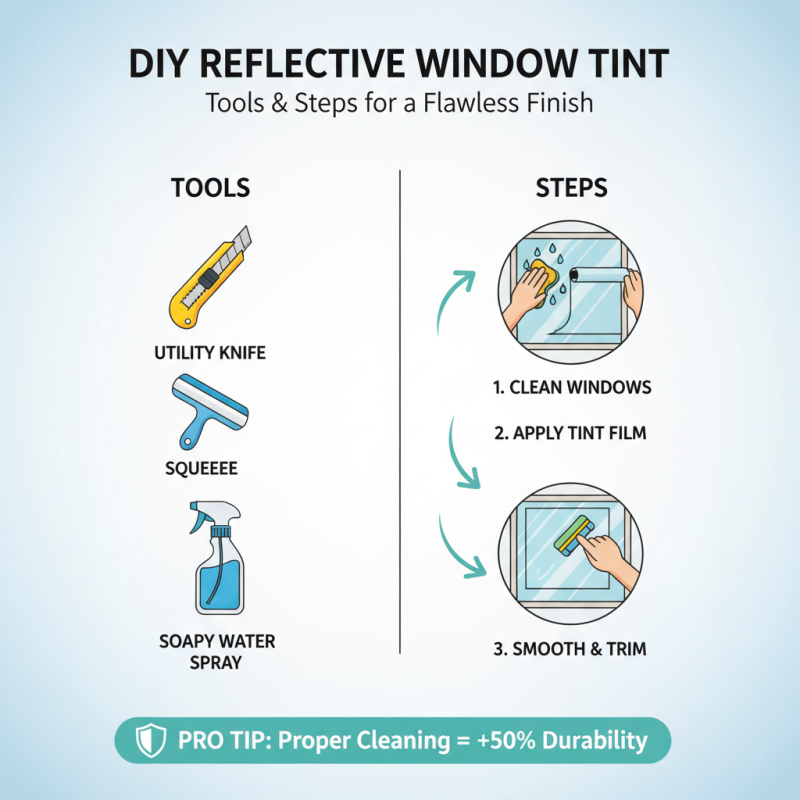
Installing reflective window tint can be a DIY project or a professional task. Start by choosing the right tools. You’ll need a utility knife, squeegee, and a spray bottle with soapy water. Ensure your windows are clean. Any dirt or debris will affect the adhesion of the tint. According to industry reports, proper surface preparation increases durability by up to 50%.
When applying the tint, work in smaller sections. Position the film on the window, ensuring it aligns correctly. Lightly spray the adhesive side with soapy water. This allows minor adjustments before it sticks completely. Use a squeegee to smooth out air bubbles. Industry experts recommend working from the center outwards for best results.
Remember, mistakes can happen. If bubbles remain, don't panic. They often disappear within a few days. If not, you may need to reapply. Reflective tints can reduce heat gain by nearly 70%, but installation needs precision. Evaluate your technique and make adjustments for optimal results.
Maintaining Your Reflective Tint for Longevity
Maintaining your reflective tint is crucial for its longevity and effectiveness. Many homeowners overlook regular maintenance, leading to premature failure. Studies show that properly maintained window films can last up to 15 years, but neglect can cut that lifespan significantly. Simple actions can help.
Cleaning your tinted windows with mild soap and water can prevent dirt build-up. However, avoid harsh chemicals. They may damage the film. Use a soft cloth to avoid scratches and maintain clarity. According to a report by the International Window Film Association, proper cleaning techniques can enhance the tint’s durability by 30%.
Inspecting the film regularly is vital. Look for bubbles or discoloration. These may indicate moisture trapped beneath the film. If these signs appear, consult a professional for potential repairs. Regular upkeep can enhance the aesthetic appeal of your windows. It can improve your home's energy efficiency. Remember, a little investment in maintenance can extend the life of your reflective tint significantly.