What is Nano Ceramic Tint and How Does It Work?
In recent years, Nano Ceramic Tint has gained significant attention in the automotive and architectural industries. This innovative technology offers superior heat rejection and UV protection, making it a popular choice. Reports indicate that advanced window films can block up to 99% of harmful UV rays, ensuring enhanced safety for passengers and furniture alike.
The science behind Nano Ceramic Tint involves nanoparticles that provide exceptional clarity and durability. Unlike traditional tints, it does not interfere with electronic signals. An industry report from 2022 highlights that 70% of vehicle owners prefer Nano Ceramic for its aesthetic and functional benefits.
However, while the advantages are evident, some users have questioned the cost-effectiveness. High-end options can be pricey, prompting reflection on value versus expense. As consumers navigate this market, understanding Nano Ceramic Tint's long-term benefits is crucial. This awareness will guide informed choices in a saturated marketplace.

What is Nano Ceramic Tint and Its Composition?
Nano ceramic tint is an advanced window film made from tiny ceramic particles. These particles give the tint unique properties that enhance performance. The composition of nano ceramic tint typically includes ceramic pigments and nano-sized particles. This material offers superior heat rejection compared to traditional films.
One of the key benefits of nano ceramic tint is its UV protection. It blocks harmful rays while allowing visible light to pass through. This feature helps in reducing interior fading. It's perfect for car windows and home installations alike.
**Tips:** Always check the percentage of UV protection before installation. A good tint can significantly enhance comfort. However, sometimes it can alter the appearance of your windows. Consider how it affects your view. Remember, not all tints provide the same level of heat rejection. Research and consider your needs carefully before making a decision.
The Science Behind Nano Ceramic Technology in Window Tinting
Nano ceramic tint is a breakthrough in window film technology. It utilizes advanced ceramic particles to block harmful UV rays and reduce heat. According to a recent industry report, nano ceramic films can reflect up to 99% of UV rays. This level of protection promotes an improved indoor climate. The film does not interfere with visibility, making it suitable for residential and commercial applications.
The science behind this technology relies on the properties of ceramics. Nano-sized ceramic particles enhance durability and heat rejection. They provide superior scratch resistance compared to traditional tints. Research indicates that the average lifespan of nano ceramic tint can exceed ten years, based on user experiences that highlight potential fading issues with other types of tint. While the initial cost may seem high, the long-term benefits often outweigh the investment.
Nano ceramic films work by employing a unique infrared-blocking mechanism. This allows for a cooler vehicle interior, which improves comfort. An observed reduction in interior temperatures can be as much as 20 degrees Fahrenheit. However, some users note challenges in installation. Improper application can lead to bubbles or uneven appearance. Despite these concerns, the demand for nano ceramic tint continues to grow, driven by its benefits and cutting-edge technology.
Nano Ceramic Tint Performance Comparison
This bar chart illustrates the performance metrics of Nano Ceramic Tint in terms of UV Protection, Infrared Rejection, Visible Light Transmission, and Heat Rejection. The data shows high UV protection capabilities and significant infrared rejection, making it highly effective for window tinting applications.
Advantages of Nano Ceramic Tint Over Traditional Window Films
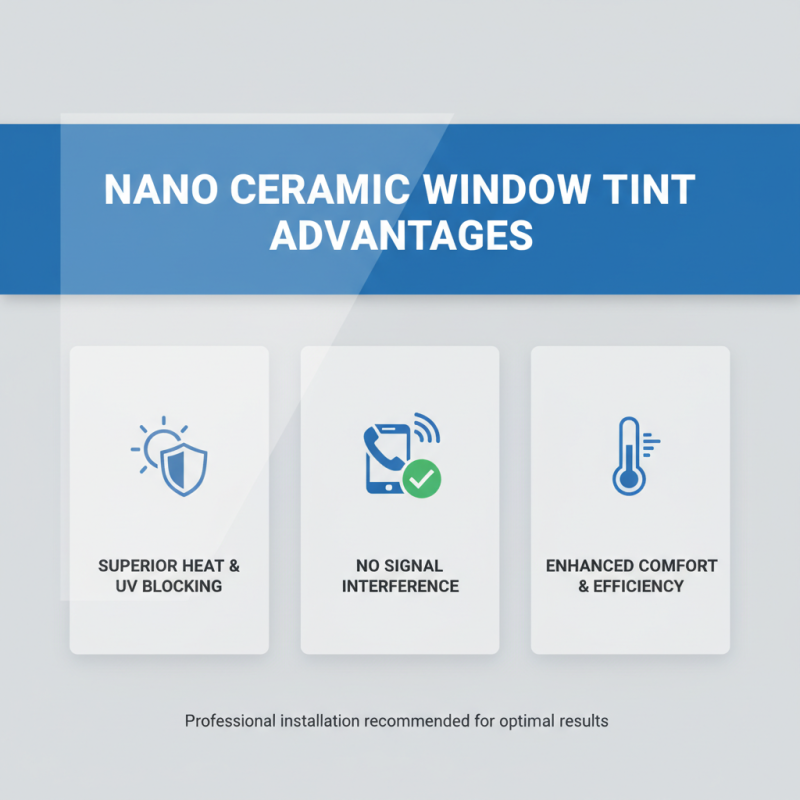
Nano ceramic tint offers several advantages over traditional window films. This advanced technology uses tiny ceramic particles to block out heat and UV rays effectively. Unlike regular films, nano ceramic tint does not interfere with electronic devices, such as GPS or phone signals. This is a huge plus for drivers who rely on technology. It's important to note that while this tint provides excellent heat rejection, the installation process can be tricky and may not always be perfect.
The durability of nano ceramic tint is another key benefit. This product is often scratch-resistant and can withstand harsh weather conditions. While traditional films may fade or bubble over time, nano ceramic tint maintains its appearance. However, some users find that applying this tint can take longer than expected. Not all installation shops have experience with this advanced product. If not applied correctly, users may face issues that require redoing the installation.
Furthermore, nano ceramic tint offers superior clarity. It allows more natural light into the vehicle while keeping the interior cool. Many users appreciate this balance but find that the cost is higher than standard films. This can be a drawback for those on a budget. Still, the benefits often outweigh the initial investment for many consumers. It's crucial for buyers to weigh their options carefully and choose what works best for their needs.
How Nano Ceramic Tint Improves Energy Efficiency and UV Protection
Nano ceramic tint is an advanced window film that offers significant benefits. One of its primary advantages is energy efficiency. By reflecting a large percentage of infrared heat, it keeps your space cooler in summer. This can drastically reduce the reliance on air conditioning, leading to energy savings. Less energy usage is not just economical; it also contributes to a reduced carbon footprint.
The tint also provides excellent UV protection. It blocks up to 99% of harmful ultraviolet rays. This is crucial for preserving the interior of your car or home. Furniture, flooring, and artwork are less likely to fade. And let's not ignore skin protection. Prolonged exposure to UV rays is a known risk factor for skin cancer. Protecting yourself and your belongings is a sound decision, but many people overlook this aspect.
While nano ceramic tint has fantastic benefits, installation and cost can be challenging. The initial expense for quality tint may be higher than traditional options. It's worth reflecting on whether the long-term savings justify the upfront costs. In some cases, consumers may hesitate to choose an advanced option. The choice involves weighing the immediate budget against lasting advantages.
Application Process and Longevity of Nano Ceramic Window Tint
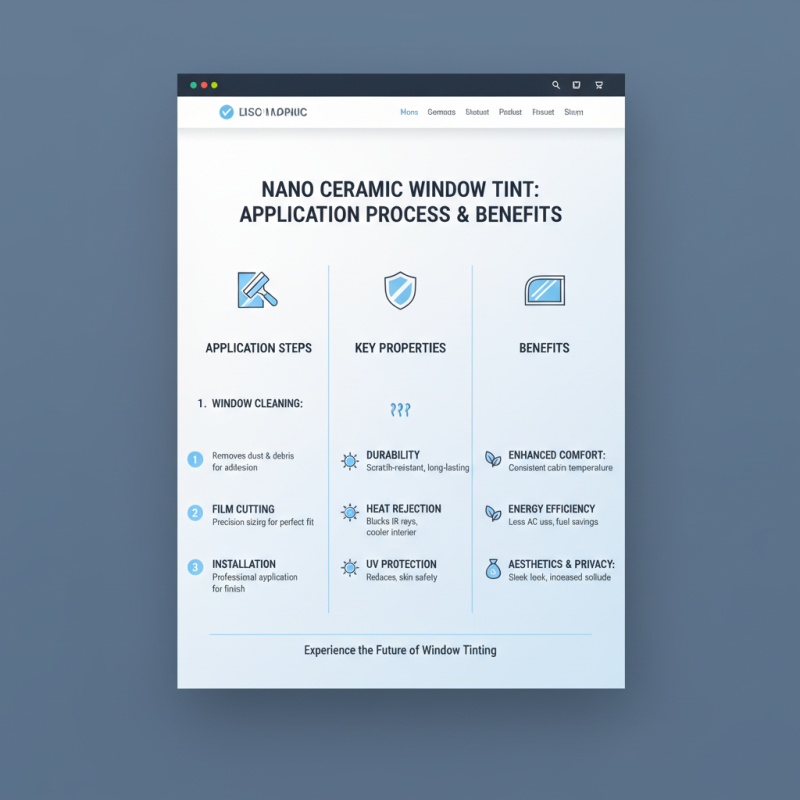
Nano ceramic window tint has gained popularity due to its unique properties. The application process is crucial for achieving the best results. Technicians typically start by cleaning the windows thoroughly. Any dust or debris can affect adhesion. They then cut the nano ceramic film to size. This film is known for its durability and heat rejection capabilities.
Once the film is ready, the technician applies it with precision. Heat guns may be used to conform the tint to the window's shape. This step ensures a seamless fit. According to industry reports, high-quality nano ceramic tint can block up to 99% of harmful UV rays. It enhances comfort by reducing heat inside the vehicle. The longevity of such tint is impressive, often lasting over a decade with proper care. However, there can be challenges. Improper installation can lead to bubbles or peeling. Regular maintenance is necessary to keep the tint looking fresh.
In terms of performance, nano ceramic tint offers significant advantages. It allows for excellent visibility while providing superior heat regulation. The technology works by reflecting heat rather than absorbing it. This can lower energy costs for cooling. However, some users might find that it requires a learning curve to maintain. Regular cleaning with appropriate solutions is vital to prolong its life. Understanding these nuances can lead to better experiences with nano ceramic window tint.