Top 10 Ppf Headlight Tint Tips for a Stylish and Safe Upgrade
Upgrading your vehicle's aesthetic and functionality can be both an exciting and daunting task. One of the most popular enhancements is applying Ppf Headlight Tint, a stylish solution that not only adds a sleek appearance but also provides an added layer of protection. This innovative tint helps shield your headlights from harsh environmental elements, including UV rays, dirt, and debris, ensuring they remain clear and functional for longer. However, achieving the perfect look while maintaining safety standards requires careful consideration and execution.
In this guide, we will explore the top 10 tips for applying Ppf Headlight Tint effectively. Whether you’re a seasoned DIYer or a newcomer to automotive upgrades, these tips will help you navigate the process with confidence. By leveraging the right techniques and tools, you can enhance your vehicle’s style while keeping safety at the forefront. Join us as we delve into the world of Ppf Headlight Tint and discover how to achieve a blend of sophistication and practicality that enhances your ride.
Understanding PPF Headlight Tinting: Benefits and Considerations
Paint Protection Film (PPF) headlight tinting has gained popularity among automotive enthusiasts due to its blend of aesthetic enhancement and functional benefits. According to the International Window Film Association, vehicles with tinted headlights can increase visibility and reduce glare for drivers, contributing to safer nighttime driving experiences. Moreover, a considerable percentage of car owners appreciate that PPF adds a layer of protection against UV rays and environmental contaminants, extending the lifespan of their headlights while maintaining a sleek look.
However, it is essential to consider the regulatory aspects and potential downsides of headlight tinting. Some regions have stringent laws regarding the degree of tint allowed on headlights, as excessive tint can impair visibility and increase the risk of accidents. A report from the National Highway Traffic Safety Administration states that clear headlights are crucial for signal clarity and public safety. Therefore, car owners must ensure they comply with local regulations while selecting PPF headlight tints, and should also invest in high-quality products that meet industry standards, thereby ensuring both style and safety in their upgrade.
Selecting the Right Tint Shade for Your Vehicle's Aesthetic
When it comes to enhancing your vehicle's aesthetic and safety, picking the right headlight tint shade is crucial. The selection should complement your vehicle's color while also adhering to safety standards. According to a report by the National Highway Traffic Safety Administration (NHTSA), visibility issues from improper tinting can lead to a significant increase in accidents during low-light conditions. Therefore, light tint shades provide a balance between personal style and safety since they allow for optimal light transmission.
Tips for selecting the right tint shade include considering the primary color of your vehicle. Darker shades can create a stylish contrast against lighter car colors, but it is essential to ensure the chosen tint does not impede headlight brightness. For instance, a recent study indicated that tints reducing light output below 70% can hinder driving visibility at night, making lighter tints, such as smoky gray or light blue, often preferable.
Additionally, understanding local regulations regarding headlight tints can save you from future complications. Some regions have specific laws prohibiting darker shades, ensuring that your installation does not lead to fines or penalties. Prioritize shades that enhance your vehicle’s appearance while maintaining compliance with road safety guidelines. By focusing on light transmission and regulatory compliance, you can achieve a stylish upgrade without sacrificing safety.
Top 10 Ppf Headlight Tint Tips for a Stylish and Safe Upgrade
| Tip No. |
Tint Shade |
Visibility Factor |
Aesthetic Appeal |
Safety Rating |
| 1 |
Light Smoke |
High |
Moderate |
Good |
| 2 |
Dark Smoke |
Moderate |
High |
Fair |
| 3 |
Clear |
Very High |
Low |
Excellent |
| 4 |
Blue Tint |
Moderate |
High |
Fair |
| 5 |
Yellow Tint |
High |
Moderate |
Good |
| 6 |
Carbon Tint |
Moderate |
High |
Fair |
| 7 |
Mirrored Tint |
Moderate |
Very High |
Fair |
| 8 |
Frosted Tint |
High |
Moderate |
Good |
| 9 |
Green Tint |
Moderate |
High |
Fair |
| 10 |
Violet Tint |
Low |
Very High |
Poor |
Step-by-Step Guide to Properly Applying Headlight Tint Film
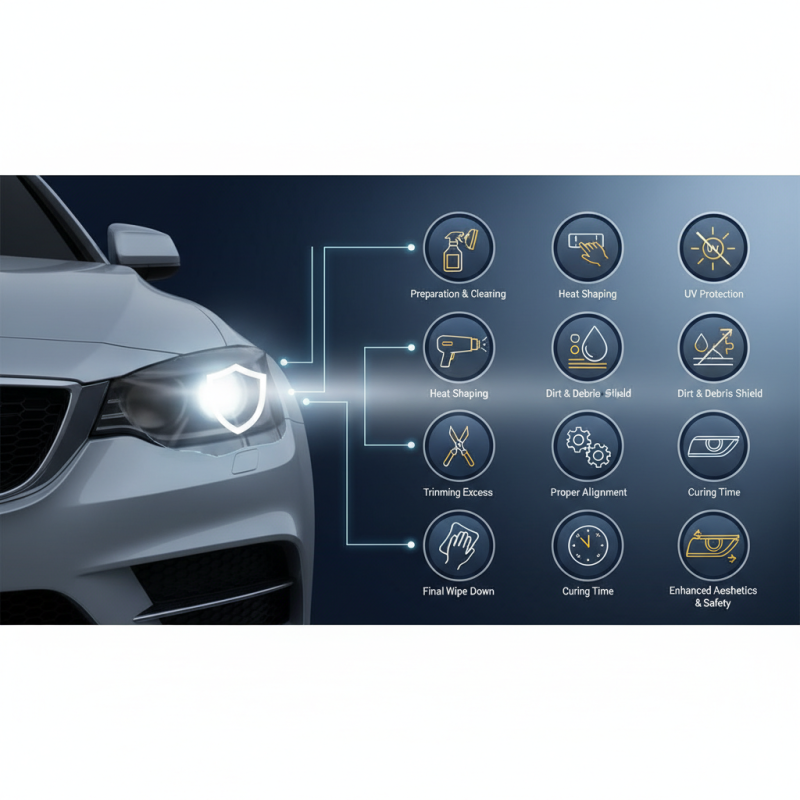
Applying headlight tint film can significantly enhance the aesthetic appeal of your vehicle while still ensuring safety and functionality. As reported by the Specialty Equipment Market Association (SEMA), safety in automotive modifications remains a top concern among car enthusiasts. Following a step-by-step application process is crucial to avoid any potential issues that may arise from improper installation.
First, it’s essential to gather necessary tools, including a heat gun, squeegee, and a precision knife. Before applying the tint, ensure that the headlight surface is meticulously cleaned to remove any dirt or debris, which can lead to improper adhesion or bubbles in the film. Industry studies suggest a clean surface can improve durability and lifespan of the tint by over 30%. Next, carefully measure and cut the film, allowing a slight overlap for better coverage. Heating the tint slightly makes it more pliable, easing the application process and ensuring a smooth finish around the edges.
Once the film is positioned, use the squeegee to firmly adhere it to the headlight, pushing out any air bubbles that may have formed. Reports from auto professionals indicate that taking your time during this stage is vital; rushing can result in damage or misalignment that compromises both visibility and look. Lastly, trim off any excess film with a precision knife and allow the tint to cure according to manufacturer guidelines. With these careful steps, you can achieve a stylish and safe upgrade to your vehicle’s headlight system, enhancing not only its appearance but also its longevity.
Headlight Tint Application Tips and Effectiveness
Maintenance Tips to Preserve Your PPF Headlight Tint's Quality
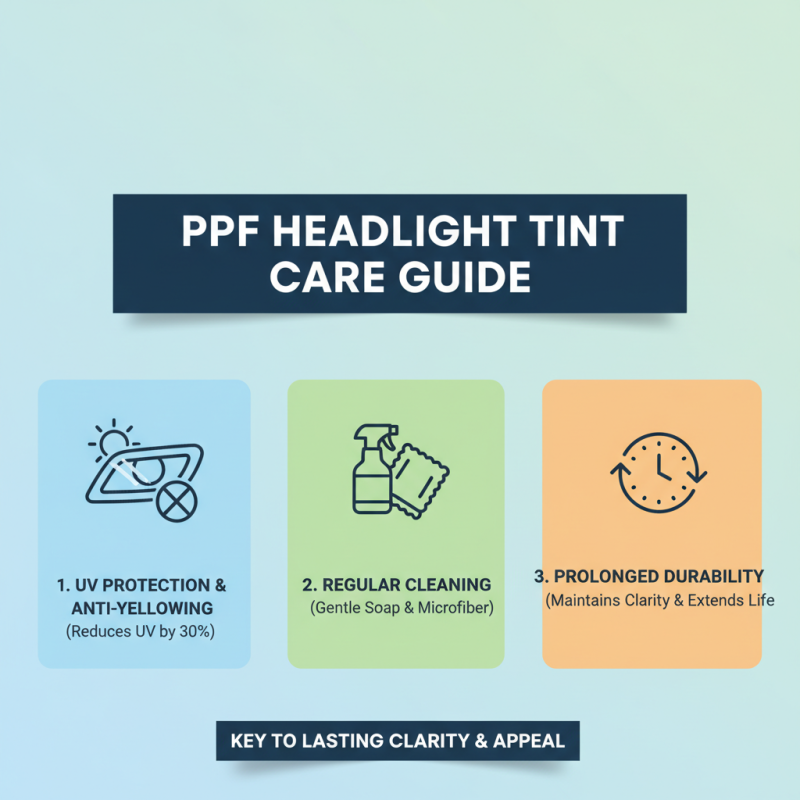
Maintaining the quality of your paint protection film (PPF) headlight tint requires a few key practices that ensure durability and visual appeal. According to the International Window Film Association, PPF can reduce UV exposure and prevent yellowing, but without proper care, its effectiveness diminishes significantly. Regular cleaning with a gentle automotive soap and a soft microfiber cloth removes dirt and grime that can scratch the surface. Research indicates that maintaining a clean surface can prolong the life of PPF by up to 30%, allowing your headlight tint to retain its clarity and aesthetic appeal for longer periods.
Moreover, it’s essential to avoid harsh chemicals or abrasive materials during maintenance, as these can compromise the film's adhesive properties. A study by the Specialty Equipment Market Association (SEMA) highlights that the longevity of PPF can be adversely affected by improper cleaning techniques, potentially decreasing lifespan by as much as 50%. When parking, you should also consider using a car cover or finding shaded areas to minimize exposure to UV rays and environmental pollutants, which are known to accelerate degradation. Following these maintenance tips will not only enhance the look of your vehicle but also ensure that your PPF headlight tint performs optimally over time.
Legal Regulations for Headlight Tinting: What You Need to Know
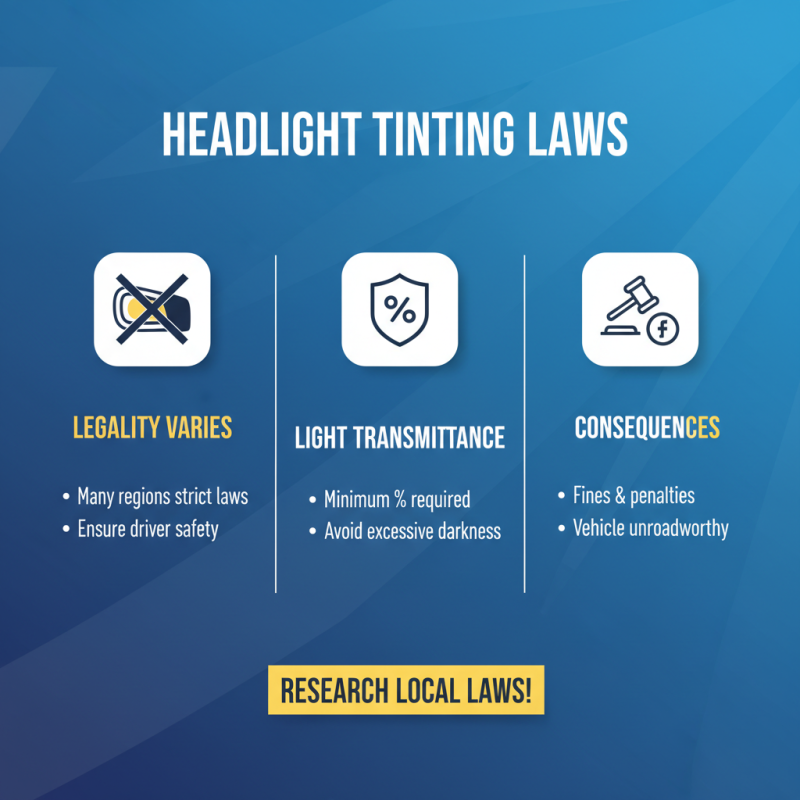
When considering headlight tinting, it is crucial to be aware of the legal regulations that vary from state to state. Many regions have strict guidelines regarding the level of tint that can be applied to headlights to ensure driver safety. For instance, some jurisdictions only allow a certain percentage of light transmittance, meaning that too dark of a tint can lead to fines or even the vehicle being deemed unroadworthy. It’s advisable to research the specific laws in your area to avoid potential legal issues and make an informed decision regarding your vehicle modifications.
In addition to the aesthetic appeal that tinted headlights can provide, they must also meet safety standards. Law enforcement frequently checks vehicles for compliance with lighting regulations, especially during a traffic stop. Using the right materials and ensuring proper installation can help maintain visibility and ensure that you comply with legal guidelines. Always consult with professionals or reliable resources before making any changes to ensure both style and safety are prioritized, keeping your vehicle compliant with local laws while enjoying the benefits of upgraded headlight aesthetics.